
This article will be published shortly via our MDX content system. The full analysis will appear here once the Contentlayer/MDX pipeline is configured.
← All analysisGeopolitics
Sanctions & tanker routes: the quiet shift
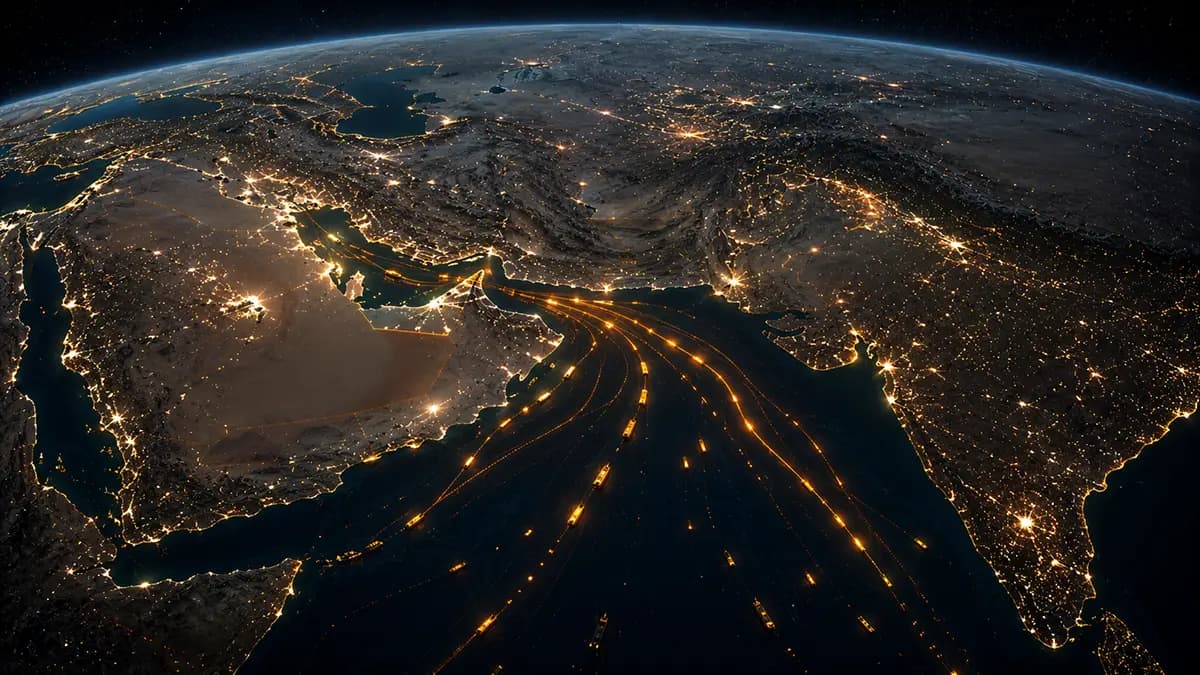
Shadow fleet, route diversions and insurance premiums, how Iran and its adversaries are reconfiguring logistics.
By HormuzEye · Independent oil & energy analysis · Rotterdam
· 10 min read
Frequently asked questions
What is the shadow fleet?
The shadow fleet is a collection of older tankers that transport oil outside the regular system, often to circumvent sanctions. These vessels switch off AIS transponders, sail under changing flags and avoid Western insurers.
How do countries bypass the Strait of Hormuz?
Via pipelines such as Saudi Arabia's East-West pipeline to the Red Sea and the Abu Dhabi pipeline to Fujairah. Their combined capacity is only around 9 million barrels per day, compared to the roughly 20 million that normally pass through the strait.
Why are tanker insurance premiums rising?
Due to war risk, war-risk premiums rose four to six times. For very large crude carriers this means a cost increase of a quarter of a million dollars per transit, deterring many shipowners from using the strait.
How many ships are stranded because of the crisis?
According to the International Maritime Organization, around 21 April 2026 approximately 20,000 seafarers and 2,000 vessels were stranded in the Persian Gulf due to the Strait of Hormuz blockade.
Related analysis
Hormuz
Saudi Aramco Thriving Despite the Hormuz Crisis: Why the Kingdom Is Holding Up Better Than Expected
Despite the Hormuz crisis, Saudi Aramco posted a $33.6B Q1 2026 profit. How the East-West Pipeline and high prices keep the Kingdom resilient, and the risks ahead.
HormuzStrait of Hormuz: Oil Prices & the Iran Conflict (June 2026)
Retrospective: how Hormuz closure, Brent near $96, and a fragile truce moved oil prices in June 2026. Analysis, not a live status update.
HormuzArt of the Deal? What America Actually Gained from the Iran War
Three months of war, up to $1 trillion in damage, and a deal that looks weaker than the JCPOA. A sober ledger of what Washington won, and what Tehran took home.