
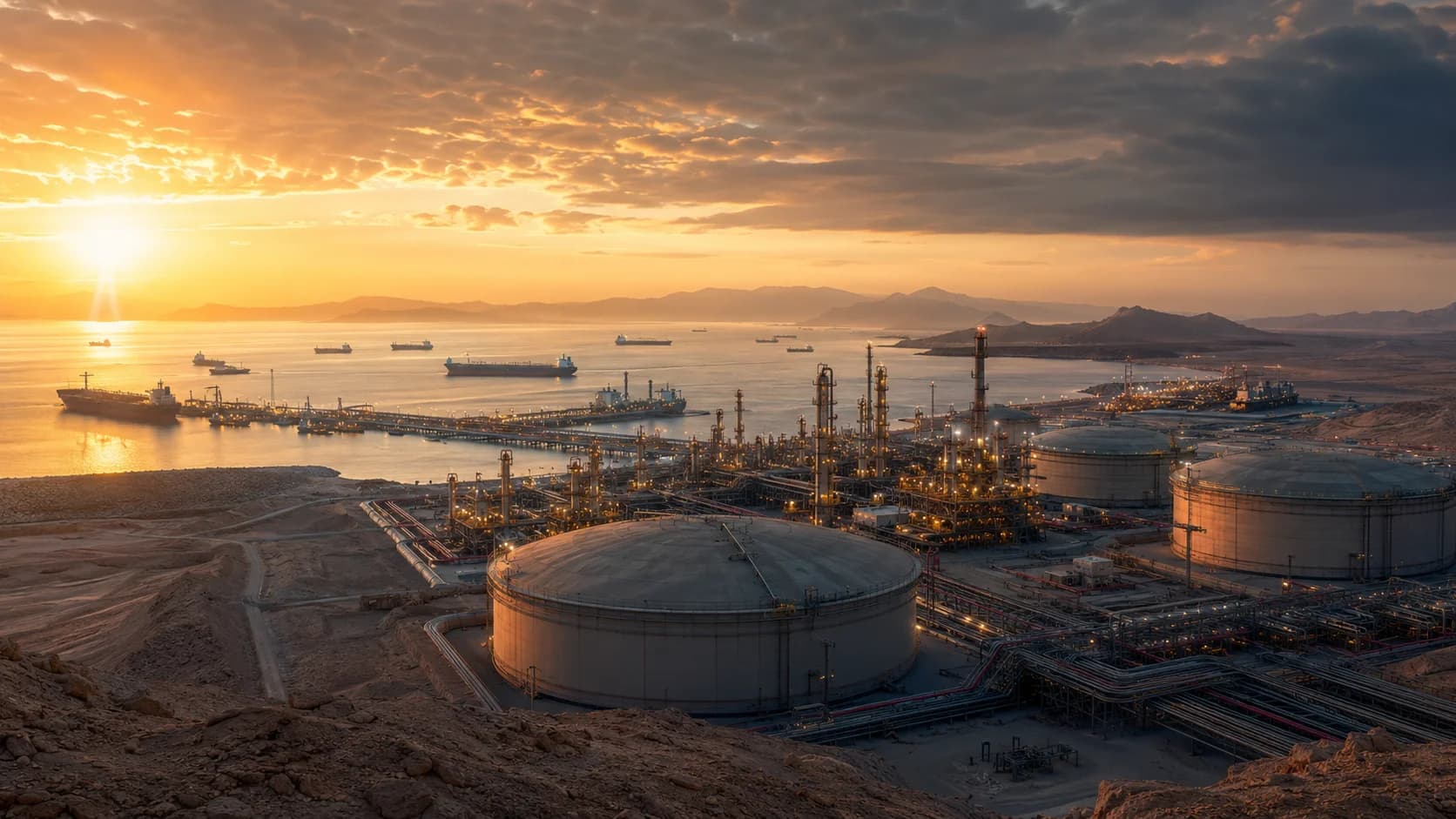
Many expected the effective closure of the Strait of Hormuz to devastate Saudi Arabia's economy. The reality is more nuanced. While production and exports have dropped sharply, high oil prices and maximum utilization of the East-West Pipeline have enabled Saudi Aramco to post remarkably strong financial results. Here's a clear, data-driven look at the current situation.
Strong Financials Despite Lower Volumes
In Q1 2026, Saudi Aramco reported adjusted net income of $33.6 billion, a 26% increase from $26.6 billion in Q1 2025. The company raised its quarterly dividend to $21.9 billion (+3.5% year-on-year) and launched a share buyback program of $2-3 billion over 18 months. (source: Aramco)
High realized oil prices have more than offset the reduction in export volumes.
The East-West Pipeline: Saudi Arabia's Lifeline
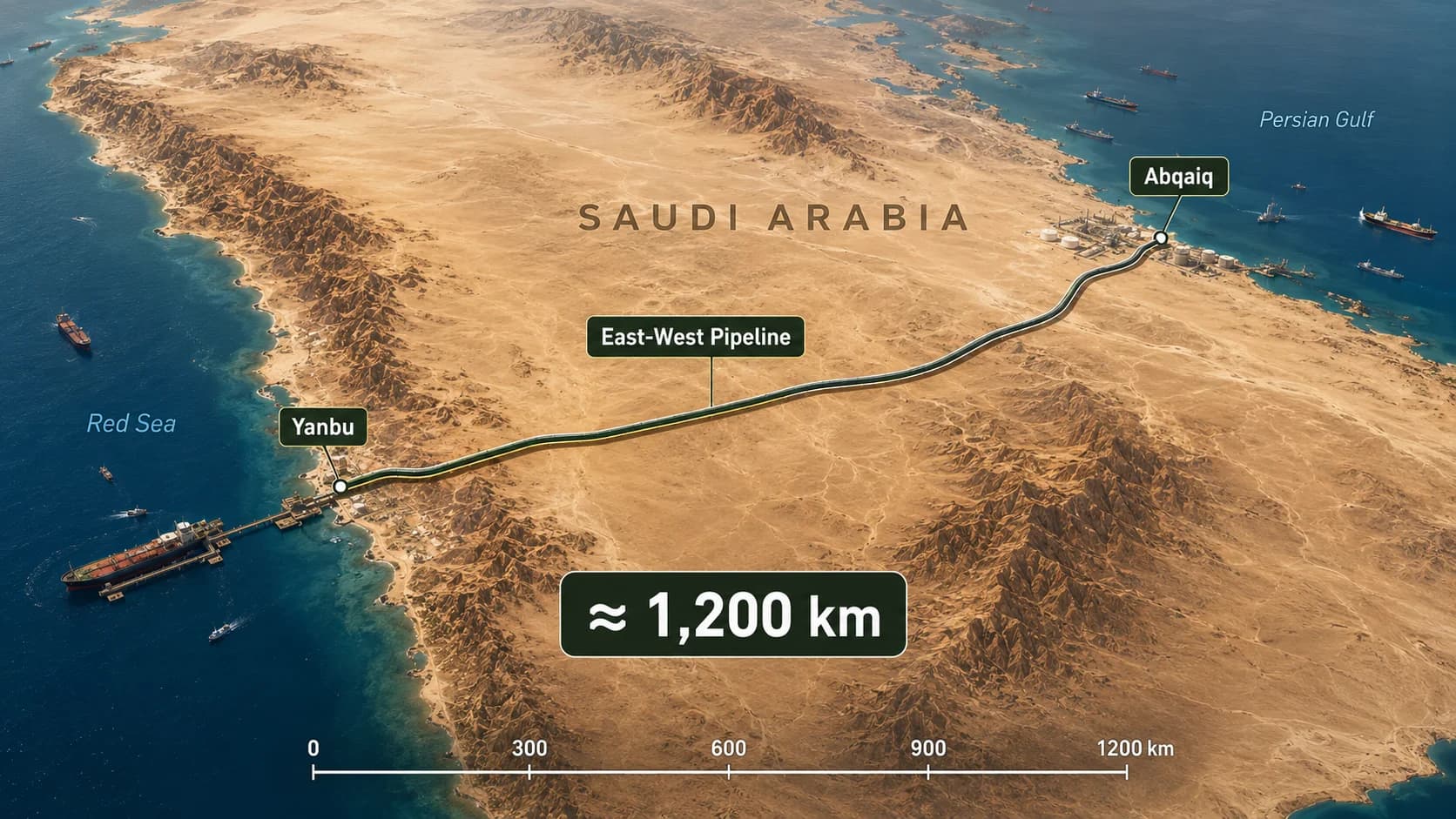
Saudi Aramco has pushed the East-West Pipeline (Petroline) to its full capacity of 7 million barrels per day toward the Red Sea port of Yanbu. This has allowed continued exports, though Yanbu's loading capacity means actual exports via this route are around 4-5 million bpd, roughly 70% of pre-crisis Gulf export levels. (source: CNBC, 10 May)
This is a significant workaround, but not a full replacement for the old volumes through the Persian Gulf.
Shipowners capture a different slice of the same disruption. See the tanker investors opportunity analysis.
For how prices moved through the early crisis, see our June Strait of Hormuz oil price analysis.
The Pipeline Is Vulnerable
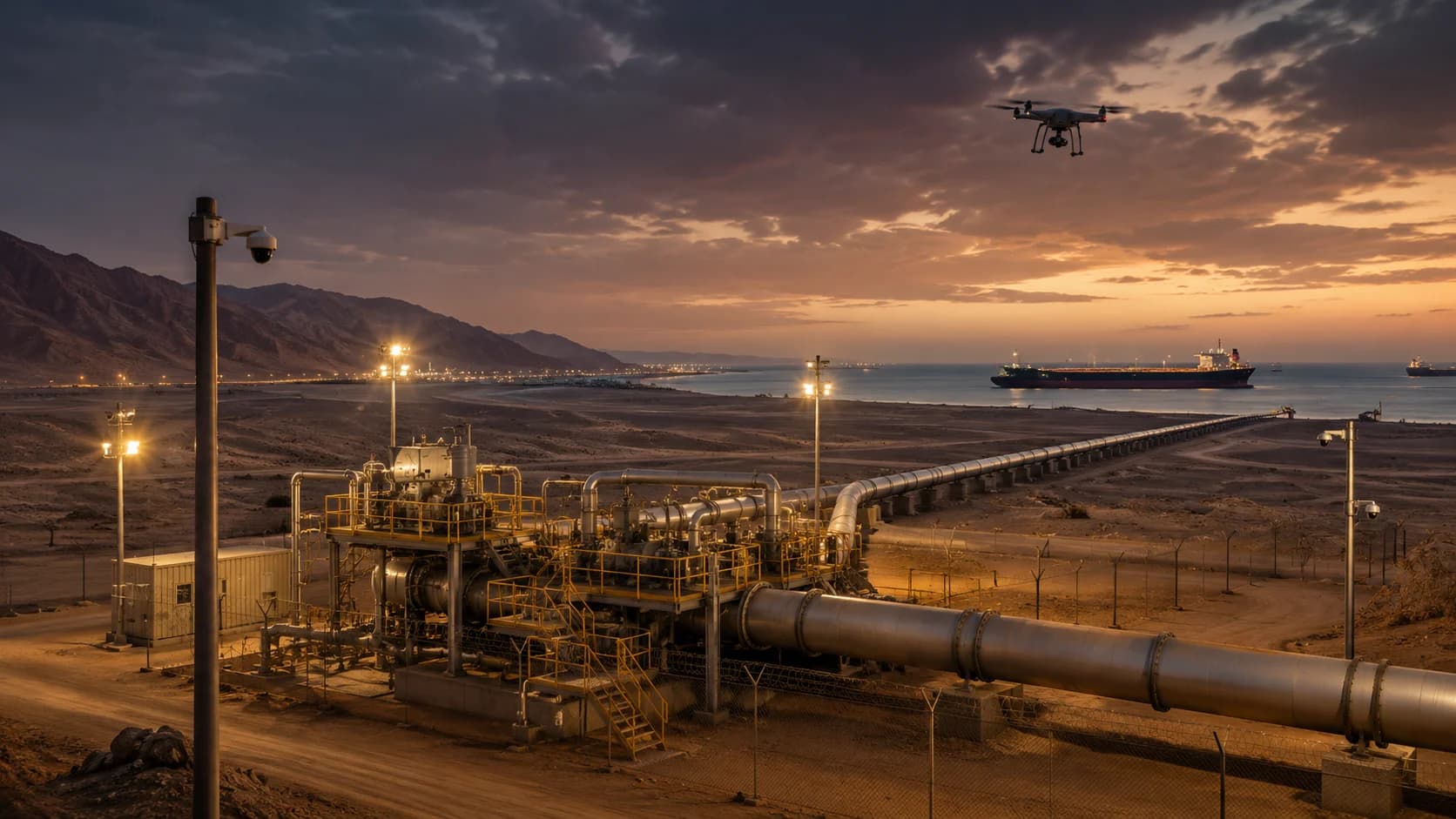
The alternative route is not risk-free. On April 8-9, 2026, Iran carried out a drone attack on a pumping station on the East-West Pipeline, temporarily reducing throughput by around 700,000 barrels per day. Saudi Arabia quickly repaired the damage and restored full capacity. (source: ENR)
Iran-backed Houthis also remain a threat. They have a track record of attacking Saudi energy infrastructure (including this pipeline in 2019), and the Red Sea route is now even more critical.
CEO Amin Nasser's Outlook
On the Q1 2026 earnings call, Saudi Aramco CEO Amin Nasser stated:
“If the Strait of Hormuz opens today, it will still take months for the market to rebalance, and if its opening is delayed by a few more weeks, then normalization will last into 2027.” (source: CNBC, 11 May)
This is one of the clearest warnings yet from a major oil executive about the long-term consequences of prolonged disruption.
Bottom Line for Traders and Analysts
Saudi Aramco is demonstrating impressive resilience. High prices, operational flexibility, and rapid repairs have kept the company highly profitable in the short term. However, the situation remains fragile: overall production is still significantly below normal, the backup route has already been tested by attack, and a longer crisis could create bigger challenges later in 2026 and into 2027.
Key takeaway: Saudi resilience is currently supporting oil prices, but any new escalation targeting the East-West Pipeline or renewed Houthi activity could trigger another sharp move in the market.
For the latest traffic and SPR data, see the Hormuz Update of 11 August.
For the live picture of the strait, see the Strait of Hormuz status page.
Sources
- Aramco, Q1 2026 results
- CNBC, Q1 profit & pipeline capacity (10 May 2026)
- CNBC, Nasser Hormuz warning (11 May 2026)
- Engineering News-Record, pipeline drone strike
HormuzEye provides market analysis and educational information only. This article is not investment advice. Oil prices and geopolitical risks can change quickly. Verify live market prices before making any decisions.