
Educational market analysis only. Not financial advice.
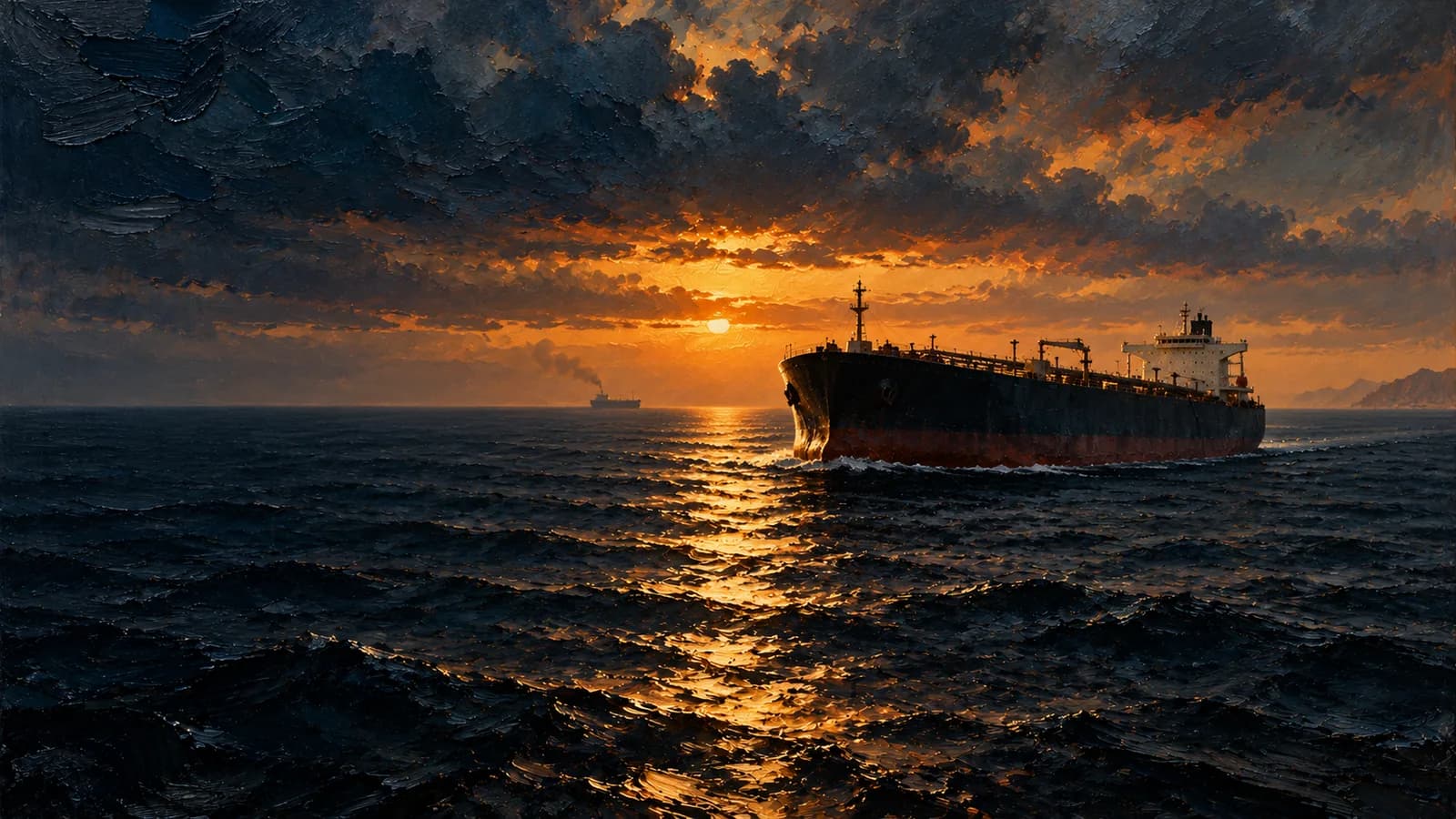
On Thursday morning, Iranian state television said seven tankers had been hit in the Strait of Hormuz in a single night. Four were attacked. Three hit mines. Some were still burning.
Nobody has confirmed it. Washington says Iran is making it up. But the oil market did not wait for confirmation. Brent briefly crossed $117 on Friday, its highest price of the war.
Today we raised the HormuzEye Risk Monitor from 92 to 94. That is the highest score we have recorded since we started this site in June.
Here is what moved us, what held us back, and what would push us further.
The worst month of the war
October is now the worst month for shipping since the war began in late February. The International Maritime Organization counted 27 attacks on commercial ships by 22 October. In the first weeks of the month, a ship was hit almost every day.
The weapons are changing too. Mines are back. On 17 October, Iran's Islamic Revolutionary Guard Corps said two tankers caught fire after hitting mines. Then came Thursday's claim of seven.
A mine is a different kind of threat. A drone needs someone to aim it. A mine just waits. That turns every crossing into a gamble, even on days when nobody is shooting.
The threats are getting wider
The Guard Corps has also warned it could strike American bases in the region if US warships keep escorting tankers. And it has threatened to cut the undersea cables in the strait, the fibre lines that connect the Gulf states to the rest of the internet.
These are words, not actions. So far. But Tehran says the strait stays closed until its seven conditions are met. And there are reports that the United States and Israel are drawing up plans to resume strikes on Iran after the American midterm elections.
Neither side is looking for the exit.
Why not 95?
This is the strange part. The oil is still flowing.
US escorts, shuttle tankers and the Saudi pipeline to the Red Sea keep Gulf exports close to pre-war levels. Lloyd's List counted at least 104 non-Iranian-linked transits between 5 and 11 October. That was down from the week before, but still 31 percent above the August average.
Shipowners pay a steep price for it. War-risk insurance still costs between 3 and 8 percent of a ship's value per transit, against roughly 0.25 percent before the war. For a $150 million tanker, that is millions of dollars for one crossing. They pay because freight rates still make it worth it.
So the strait is dangerous, but it is not shut. That gap between danger and flow is the only thing keeping us below 95.
What would move us to 95
Three things. A confirmed strike on a tanker with mass casualties. A direct attack on a US base. Or a return of US or Israeli strikes on Iran.
Any one of them could close the gap between danger and flow.
Will any of them happen? We do not know. Nobody does. Predicting oil is harder than predicting the weather. What we can do is show you where the lines are.
What 94 means if you follow oil
A score of 94 is not a price forecast. It does not say oil will go higher. Brent is already pricing in a lot of fear.
What it says is that the system is fragile. The flow depends on escorts, insurance and nerve. Any of those can break in a day.
From Rotterdam, where many of these cargoes end up, it is easy to see a tanker as a dot on a screen. Each one has a crew. The International Maritime Organization says around 6,000 seafarers have been trapped near the strait since the conflict began.
For now, the oil still gets through. Ninety-four is how much we trust that "for now".
Sources
- USNI News: October Marks Highest Number of Strait of Hormuz Attacks.
- The Hill: Iran claims 7 oil tankers struck.
- CBS News: Iran war live updates.
- Fox News: Sea mine crisis re-emerges.
- Fox News, 21 October: Iran war live updates.
- straits.live, 23 October: Daily Brief.
- Lloyd's List Intelligence, 22 October: Strait of Hormuz Brief.
- Insurance Business: Trump says Hormuz is clear. The insurance market disagrees.
- Fox News: Strait of Hormuz crisis traps 6,000 sailors.
Disclaimer: HormuzEye provides educational and informational market analysis only. This content is not financial advice, not investment advice, and not a buy or sell recommendation. Oil markets are volatile and geopolitical events can change quickly. Always do your own research and consult a qualified financial adviser before making investment decisions.